

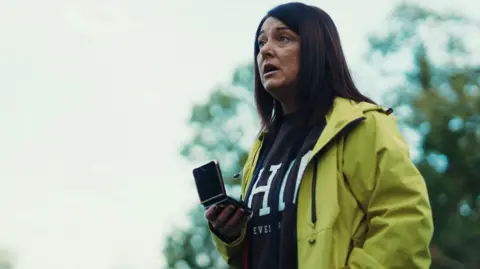
During an conversation near a local recreational area in the community, a came forward.
“Could I inquire why you’re allowing these people to sit in this park?” she asked while recording the conversation on her phone.
The person we were discussing with for our documentary was residing in a close temporary housing, where heated demonstrations had been taking place since the warmer months.
The woman stated that men from the facility had been following local youths, and asked that we relocate our discussion to another location.
At that moment, a group of asylum seekers who we didn’t see playing football in the vicinity came over the slope.
She warned me it was my responsibility they were there and if “anything happens here, you’re responsible.”
The individual shared her video to the online platforms. It was seen millions of times after being shared by political activists.
She was celebrated as a defender for standing up for women and children.
I was overwhelmed with threats and threatened that I should stay out of the area.
I do not think that my conversation with this man, who later withdrew consent its use, endangered anyone.
But this confrontation, and its aftermath, gave me perhaps the sharpest perspective yet into the fear some within the area – and further afield – have about individuals in their neighborhoods.
Community Worries and Protests
There are about 6,300 people seeking asylum in Scotland, many of whom arrived via vessels across the sea.
About a fourth stay in facilities while the UK government evaluates whether to approve their applications.
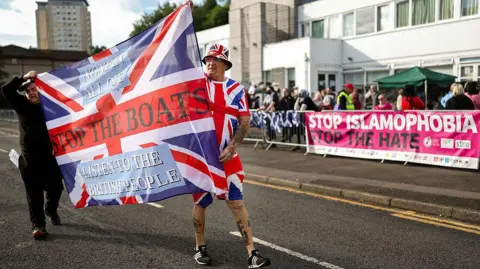
We’ve spent the last few months filming at demonstrations against the hotels around the nation.
In the community, there are more than over eleven thousand individuals on the waiting list, waiting for new homes. There is frustration at a belief that these people – and it is exclusively males in the accommodation – have skipped the line.
Individuals are not typically allowed to have jobs while their applications are being processed and receive an allowance of a small amount a day to survive on. With complimentary dining, accommodation and no bills to pay, it angers of some.
“They have entertainment, they receive comfort, they have apparel, they’re getting communication tools, they’re getting health services and if you feel that’s appropriate in our country right now, I do not.”
Mobile phones are not supplied by the government but are frequently given to Cladhan residents by charities who support them.
Safety Worries and Community Tensions
The residents in the Cladhan are from a selection of regions, including Asia, Sudan and East Africa, and all state they need protection from threats.
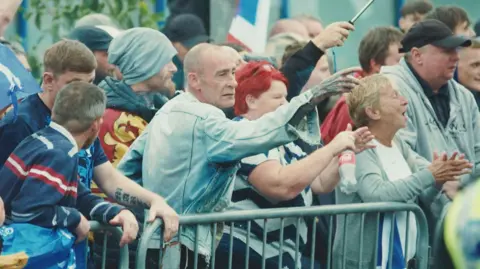
Periodically we could see them looking from behind closed curtains, as cries of “Send them home! Return them!” echoed through the neighborhood.
The facility was previously a preferred place for wedding receptions, milestones and functions.
Minimal consultation was provided or discussion held with the neighborhood that up to ninety asylum seekers were going to be placed here in 2021.
“There exists a sentiment that an issue is being dropped on them from a great height by authorities who neither know nor care what the consequence is going to be.”
All the expenses of housing refugees in accommodations, about a significant amount a year across the UK, are met by the UK government.
A community representative said no asylum seeker was given preference over anyone else.
But it’s not just strain on facilities which has got residents out on the streets. There is anxiety, too.
Ex hotel occupant a person, from Afghanistan, was jailed in June for the sexual assault of a 15-year-old local girl.
“It killed me to know that that individual’s life was destroyed.”
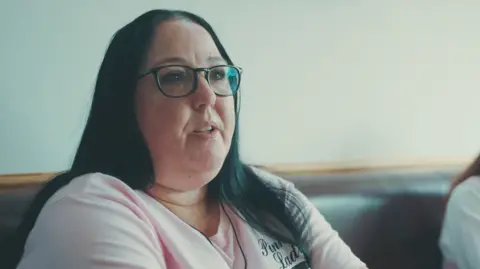
“We shouldn’t be living in fear,” she stated.
In the previous year, the time of Nikzad’s offense, there were numerous cases of violent crimes in Falkirk.
Authorities states it does not hold data specifying whether individuals are refugees or not.
From publications, it seems an incident was carried out by an individual that time – by the perpetrator.
“Residents commit similar acts, but the reality is that the vessels are still arriving. They [the asylum seekers] have a different belief.”

